A customer support system that cut tickets by 17.3% and response time by 53.1%.
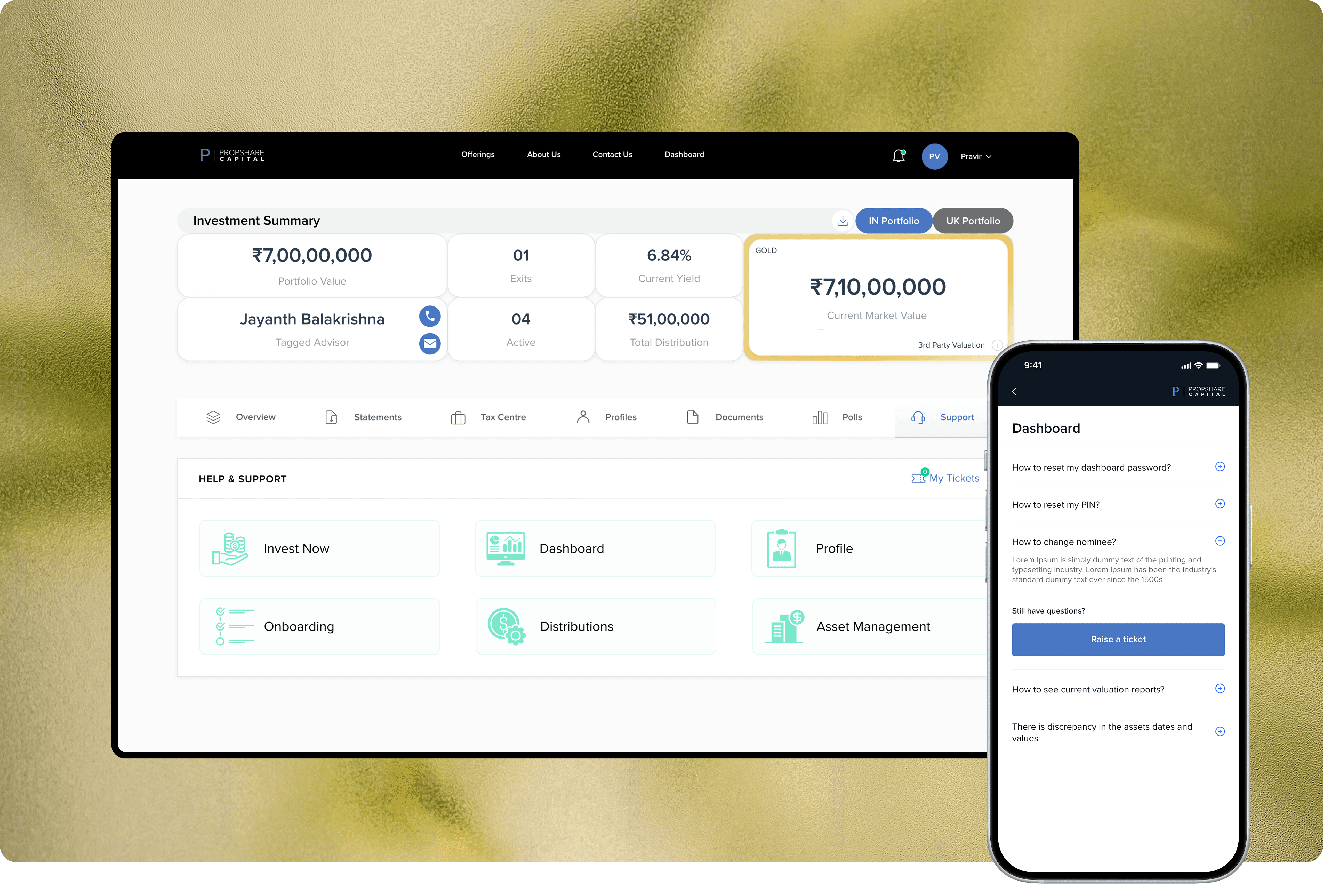
Role & Scope
Product designer, led the end-to-end design strategy for the ticketing system and defined a workflow for the organization
Key Skills
Service Design, User Experience & Design Strategy
Cross-functional team
Founding Product Designer(me), Product Manager, and 1 Full-stack developer
Project Dynamics
4 Months, Launched June 2024
Context
As Property Share grew from a small team of 30 employees to over 150, customer support became increasingly dependent on informal communication channels.
Problem at hand
Customer conversations lived across emails, phone calls, Slack messages, and spreadsheets. Without a unified workflow, ownership was unclear, responses were delayed, and communication was inconsistent.
My role
As the founding product designer, I owned the end-to-end design strategy for the ticketing system from mapping the existing support ecosystem through research, to defining the workflow, ownership model, and escalation logic the team would run on.
Solution & Impact
I designed a conversational support system, a structured service operation for efficient collaboration while maintaining strong customer relationships.
EXISTING WORKFLOW
Customer service was top-notch, communication was fragmented
Property Share's customer relationships were built through personalized communication and all customer conversations happened across emails, phone calls, sales conversations & internal messages.
CHALLENGE
How might we help teams collaborate efficiently without making customer support feel transactional?
RESEARCH METHODS
How I studied the existing experience
Before designing the solution, I mapped the existing support ecosystem to understand how requests moved between customers, sales representatives, and internal teams, and where information was getting lost along the way.
The goal wasn't to replace the high-touch experience with a rigid support system, it was to introduce structure without losing the personal relationships customers valued.
GROUND RESEARCH
Understanding how support works today and where it breaks at scale
I studied how support teams across fintech companies manage requests, handoffs, and communication, evaluating existing tools to understand common workflows and gaps.
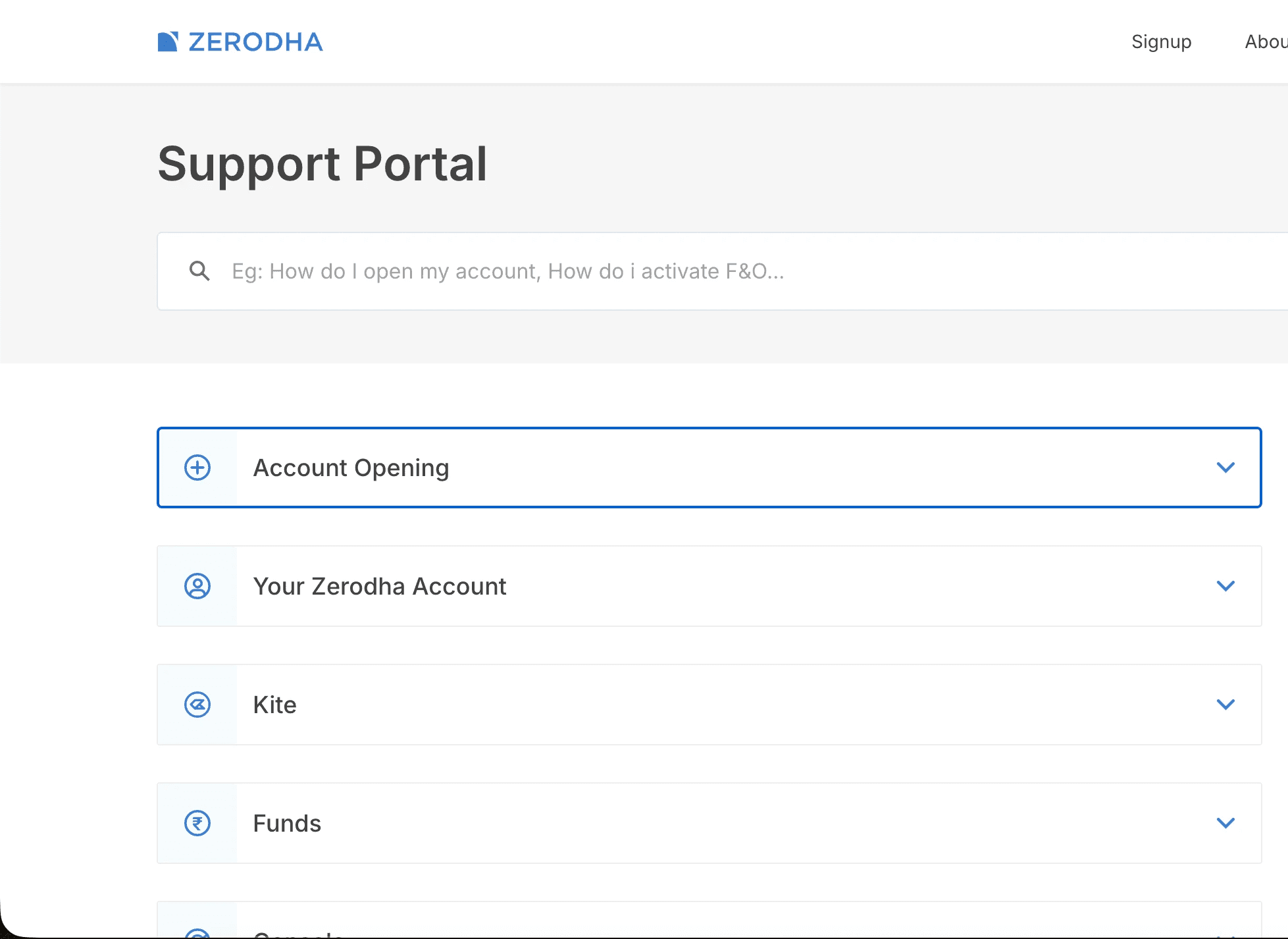
Zerodha: Self-serve → contextual ticketing

Groww: Knowledge base → ticket submission

Jira: Cross-team collaboration
I synthesized the research into an information architecture tailored to Property Share’s support workflow, defining how requests, conversations, ownership, and status should be organized.

Customer support workflow
RESEARCH INSIGHTS
Current process was difficult to scale
The service blueprint showed that the biggest breakdowns weren’t within individual screens, they happened at the handoffs between teams.
1. Customer context was fragmented
Teams spent time reconstructing conversations instead of solving issues.
2. Escalation was subjective
When everything could be marked urgent, teams struggled to prioritize requests consistently.
3. Ownership depended on individuals
Tickets stalled when the assigned person was unavailable.
4. Communication varied by team
Customers received different levels of clarity, tone, and detail depending on who responded.
5. Leadership lacked system-level visibility
Managers couldn't easily see where support was slowing down or whether SLAs were being met.
These five insights became the north star for every design decision that followed, the filter we ran each idea through before it made it into the system.
DESIGN SOLUTIONS
Where users struggled and what we changed
Insights revealed that users struggled most when context was lost, ownership was unclear, and there was no consistent way to prioritize or track requests. Here's how each insight became a decision:


REFLECTION
What were the results?
After launch, the new support workflow reduced inbound tickets by 17.3% and increased self-service resolution by 31.4% within six weeks. At the same time, time-to-first-response dropped 53.1%, from 46.2 to 20.8 hours, showing a clear improvement in both customer self-service and support efficiency.

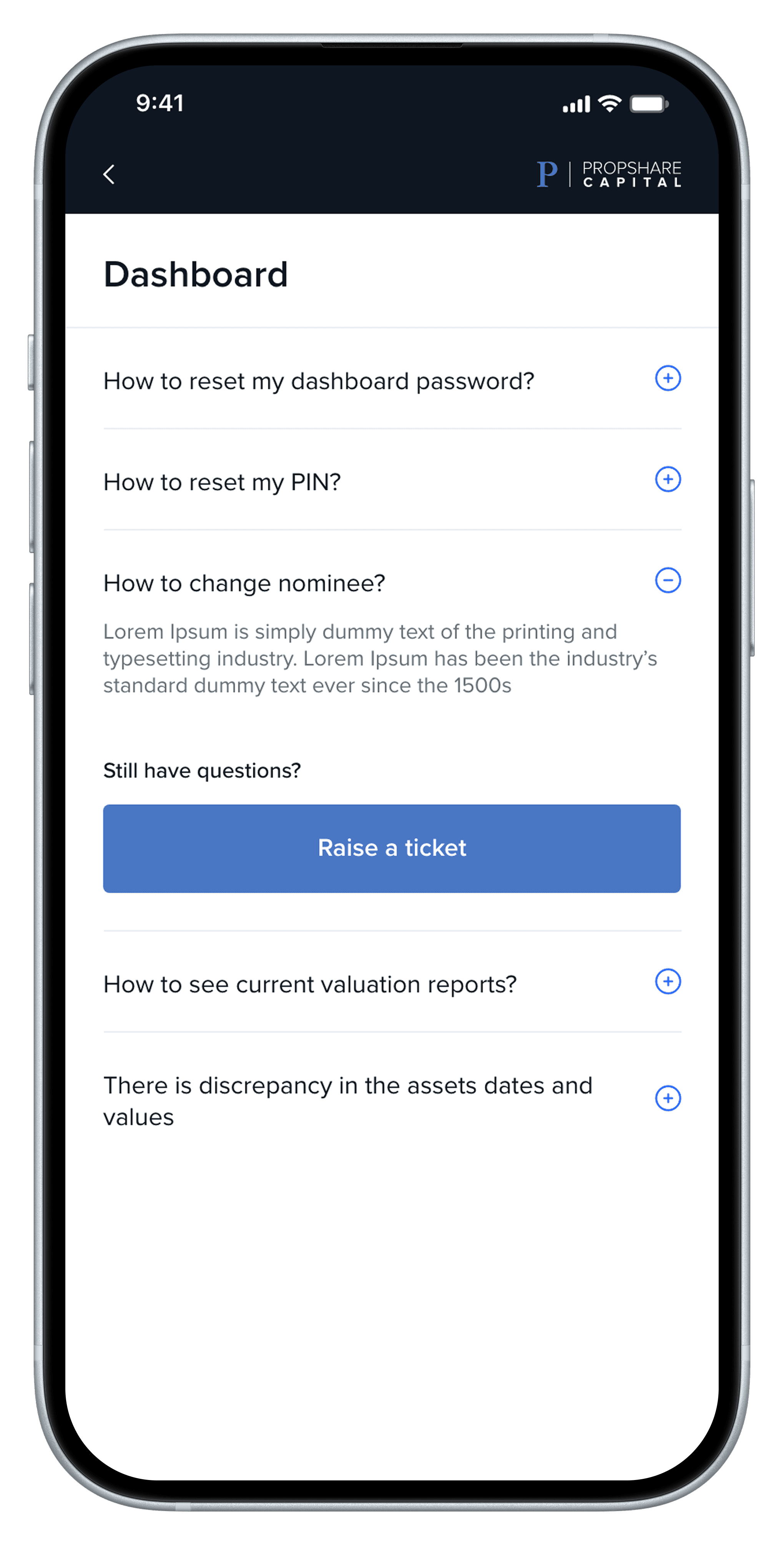

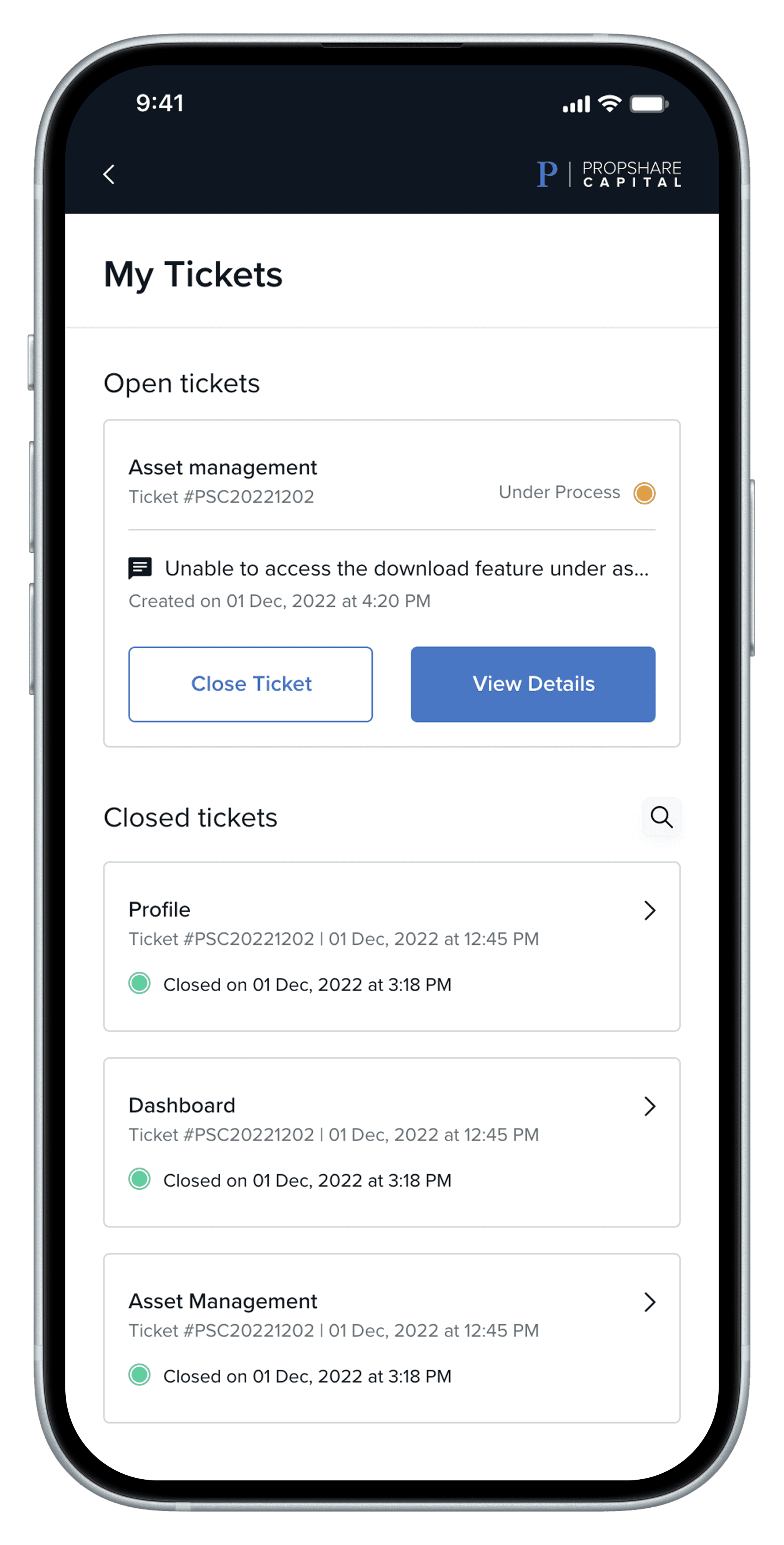
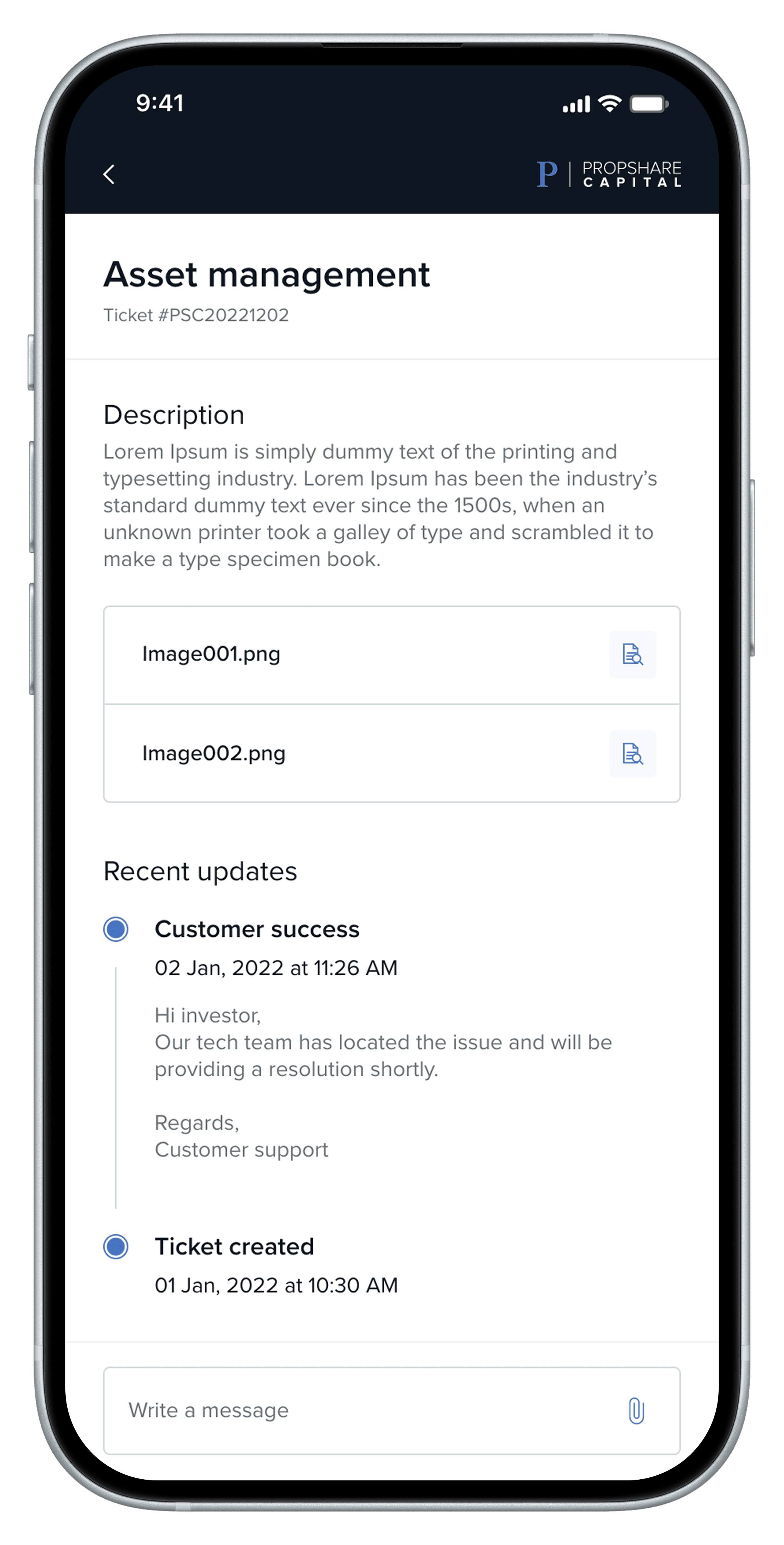
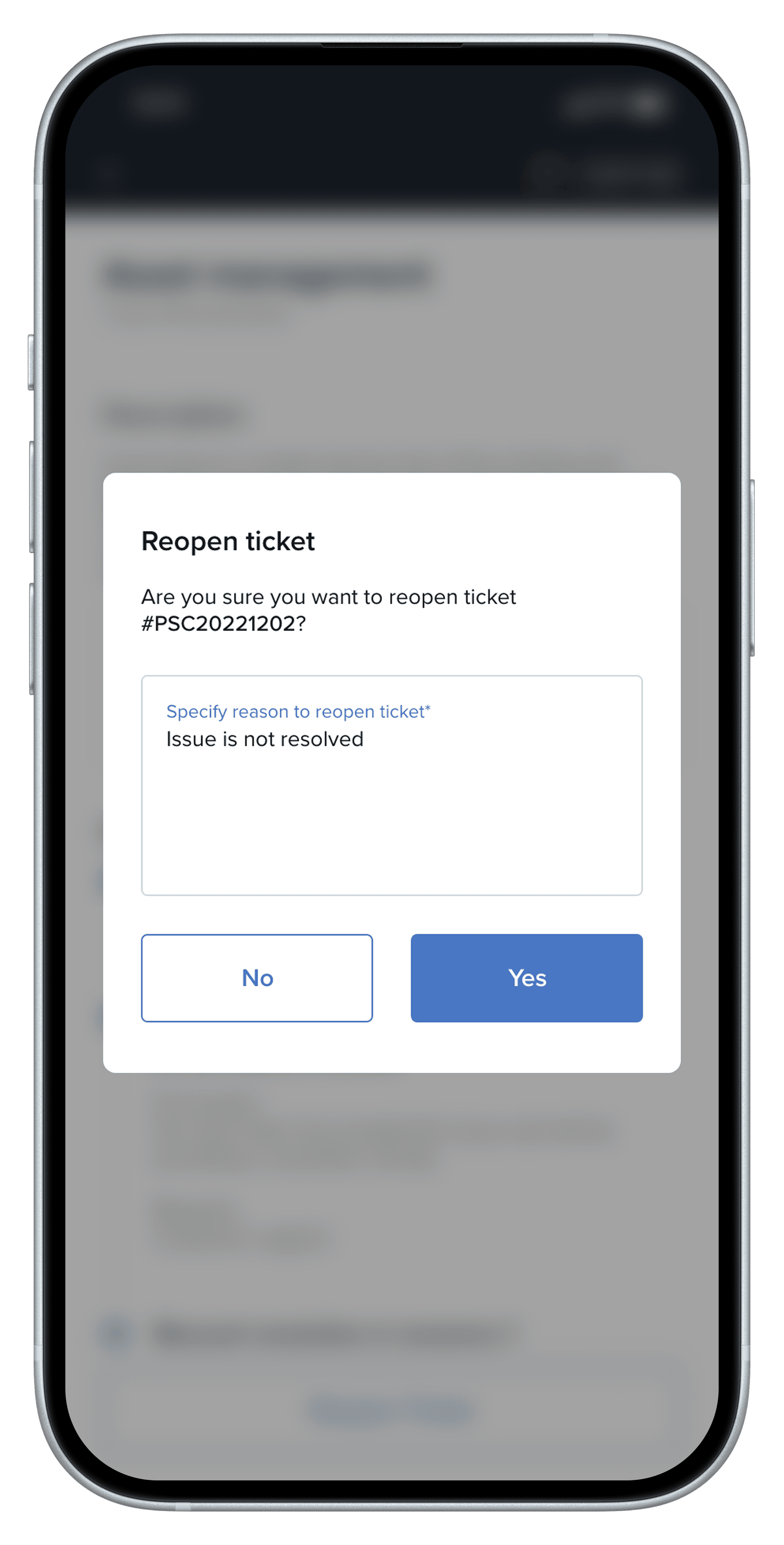
FAQ & Customer side ticket view