Conversational Support System

Building a support operation that balances customer relationships and operational efficiency

Golden retriever dog sitting near solar panels and camper
ROLE & SCOPE

Product designer, led the end-to-end design strategy for the ticketing system and defined a workflow for the organization

KEY SKILLS

Service Design, User Experience & Design Strategy

CROSS-FUNCTIONAL

Founding product designer(me), Product Manager, and 1 Full-stack developer

PROJECT DYNAMIC

4 Months, Launched June 2024

THE CONTEXT

As Property Share grew from a small team of 30 employees to over 150, customer support became increasingly dependent on informal communication channels.

Customer conversations lived across emails, phone calls, Slack messages, and spreadsheets. While teams were committed to solving customer problems, the lack of a unified workflow made ownership unclear, delayed responses, and created inconsistent communication.

I designed a conversational support system that transformed fragmented customer interactions into a structured service operation, helping teams collaborate efficiently while maintaining strong customer relationships.

Time Saved

-

0

%

inbound support volume over 2 quarters

Time Saved

-

0

%

inbound support volume over 2 quarters

Reduced complexity

0

Cross-team handoffs: 8 → 3

Reduced complexity

0

Cross-team handoffs: 8 → 3

Scalable service levels

0

tiers

Gold, Silver, and Platinum tiers became operational workflows

Scalable service levels

0

tiers

Gold, Silver, and Platinum tiers became operational workflows

THE CHALLENGE

Property Share's customer relationships were built through personalized communication. But as the organization scaled, support became increasingly dependent on individual ownership. Customer conversations happened across emails, phone calls, sales conversations & internal messages. The challenge wasn't a lack of effort.

The challenge was that the organization had no shared system to manage customer conversations at scale.

THE GOAL

The challenge we set out to solve was "How might we help teams collaborate efficiently without making customer support feel transactional?". The goal wasn't to choose between structure and relationship, it was to

Create a system that protects relationships while introducing structure.

RESEARCH

Understanding how support works today, and who keeps it moving.

Customer support had evolved organically as Property Share grew. Different teams had created their own ways of handling requests, resulting in fragmented communication, unclear ownership, and inconsistent workflows.

Before designing the system, I mapped the existing support ecosystem to understand how requests moved between customers, sales representatives, and internal teams.

Workflow

(

team's touch-point

)

INSIGHTS

The current process worked because employees knew who to contact, but it became difficult to scale as the organization grew. Also the blueprint revealed that the biggest challenges were not individual screens, but the handoffs between teams. So mapped all finding into following buckets

Preserve customer context

No customer has to re-explain their issue every time a new person touches it

Define service expectations

Both customers and teams know what "on time" and "resolved" actually mean

Maintain communication quality

Efficiency gains never come at the cost of tone, empathy, or clarity

Give leadership visibility

Managers can see how the system is performing without micromanaging individual conversations

Define and mantain clear ownership

Every case has a single accountable owner, even when multiple people collaborate

These five requirements became the north star for every design decision that followed, the filter we ran each idea through before it made it into the system.

KEY DECISIONS

01

Conversations lacked a single source of truth

Customer context was scattered across emails, calls, and internal messages. Teams spent more time reconstructing conversations than resolving issues.

Decision: Centralize every conversation in one place We created a shared conversation timeline where customer messages, internal updates, and ticket history lived together. Email responses were captured into the system to ensure no context was lost.

01

Conversations lacked a single source of truth

Customer context was scattered across emails, calls, and internal messages. Teams spent more time reconstructing conversations than resolving issues.

Decision: Centralize every conversation in one place We created a shared conversation timeline where customer messages, internal updates, and ticket history lived together. Email responses were captured into the system to ensure no context was lost.

01

Conversations lacked a single source of truth

Customer context was scattered across emails, calls, and internal messages. Teams spent more time reconstructing conversations than resolving issues.

Decision: Centralize every conversation in one place We created a shared conversation timeline where customer messages, internal updates, and ticket history lived together. Email responses were captured into the system to ensure no context was lost.

02

Escalation needed objective rules

Allowing customers to manually escalate created prioritization challenges because every issue felt urgent.

Decision: Replace manual escalation with SLA-based escalation Customer tiers (Silver, Gold, and Platinum) were mapped to response timelines. When the SLA threshold was reached, tickets automatically escalated to the appropriate team.

02

Escalation needed objective rules

Allowing customers to manually escalate created prioritization challenges because every issue felt urgent.

Decision: Replace manual escalation with SLA-based escalation Customer tiers (Silver, Gold, and Platinum) were mapped to response timelines. When the SLA threshold was reached, tickets automatically escalated to the appropriate team.

02

Escalation needed objective rules

Allowing customers to manually escalate created prioritization challenges because every issue felt urgent.

Decision: Replace manual escalation with SLA-based escalation Customer tiers (Silver, Gold, and Platinum) were mapped to response timelines. When the SLA threshold was reached, tickets automatically escalated to the appropriate team.

03

Ownership depended on individuals

Tickets often stalled when assigned owners were unavailable, creating unnecessary delays.

Decision: Design ownership around teams, not individuals Each team had defined ownership roles: Team Lead, Primary Owner, and Secondary Owner. Leads could update assignments based on availability to keep work moving.

03

Ownership depended on individuals

Tickets often stalled when assigned owners were unavailable, creating unnecessary delays.

Decision: Design ownership around teams, not individuals Each team had defined ownership roles: Team Lead, Primary Owner, and Secondary Owner. Leads could update assignments based on availability to keep work moving.

03

Ownership depended on individuals

Tickets often stalled when assigned owners were unavailable, creating unnecessary delays.

Decision: Design ownership around teams, not individuals Each team had defined ownership roles: Team Lead, Primary Owner, and Secondary Owner. Leads could update assignments based on availability to keep work moving.

04

Communication lacked consistency

Different teams communicated differently with customers, creating an inconsistent experience.

Decision: Create a communication quality layer Internal teams could collaborate and draft responses, while sales representatives reviewed customer-facing communication before sending it.

04

Communication lacked consistency

Different teams communicated differently with customers, creating an inconsistent experience.

Decision: Create a communication quality layer Internal teams could collaborate and draft responses, while sales representatives reviewed customer-facing communication before sending it.

04

Communication lacked consistency

Different teams communicated differently with customers, creating an inconsistent experience.

Decision: Create a communication quality layer Internal teams could collaborate and draft responses, while sales representatives reviewed customer-facing communication before sending it.

05

Leadership needed visibility, not ticket details

Executives didn't need every conversation; they needed patterns, trends, and service performance.

Decision: Transform support activity into business insights The system generated periodic summaries highlighting ticket volume, resolution rates, delays, and SLA performance.

05

Leadership needed visibility, not ticket details

Executives didn't need every conversation; they needed patterns, trends, and service performance.

Decision: Transform support activity into business insights The system generated periodic summaries highlighting ticket volume, resolution rates, delays, and SLA performance.

05

Leadership needed visibility, not ticket details

Executives didn't need every conversation; they needed patterns, trends, and service performance.

Decision: Transform support activity into business insights The system generated periodic summaries highlighting ticket volume, resolution rates, delays, and SLA performance.

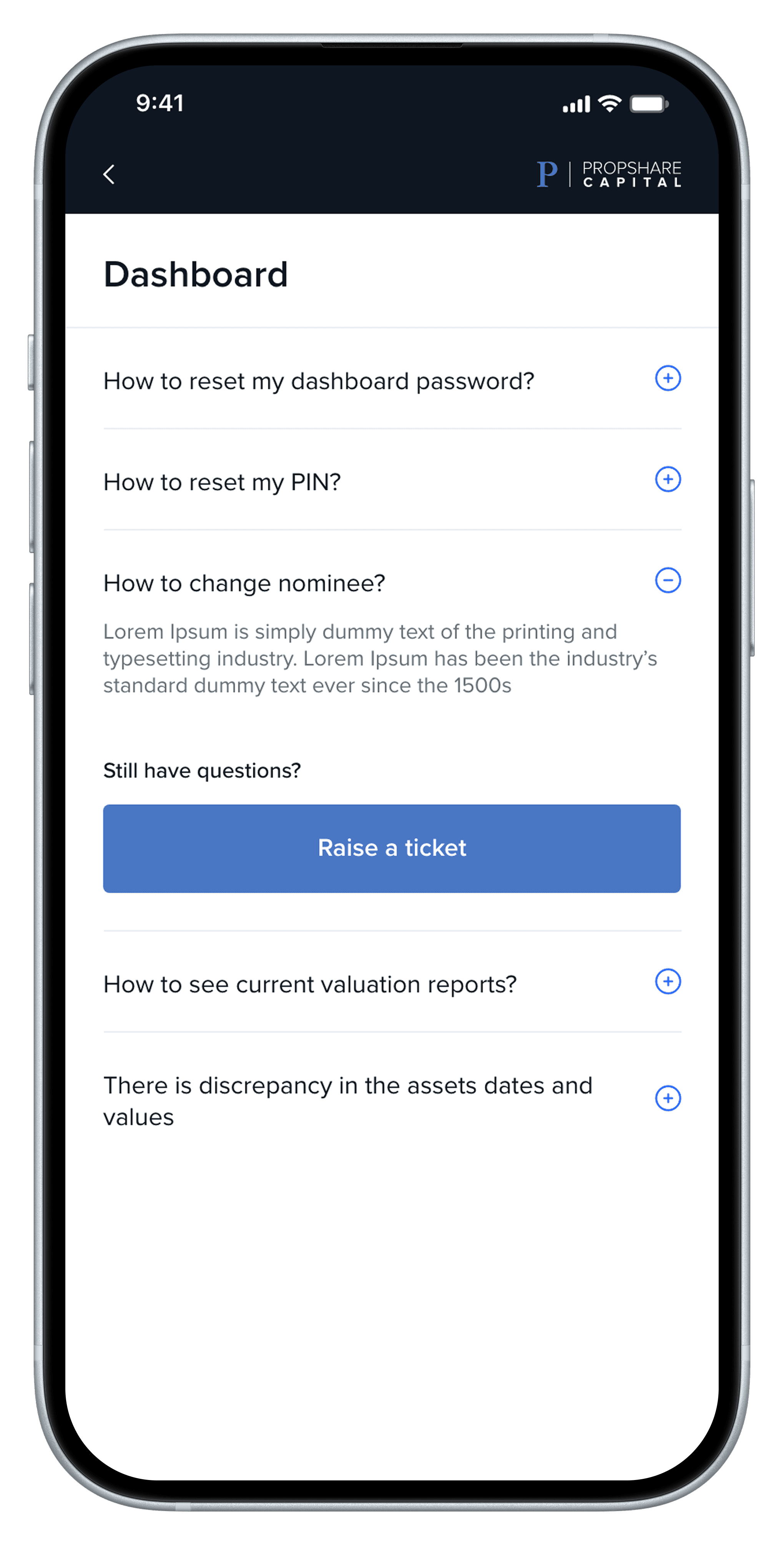
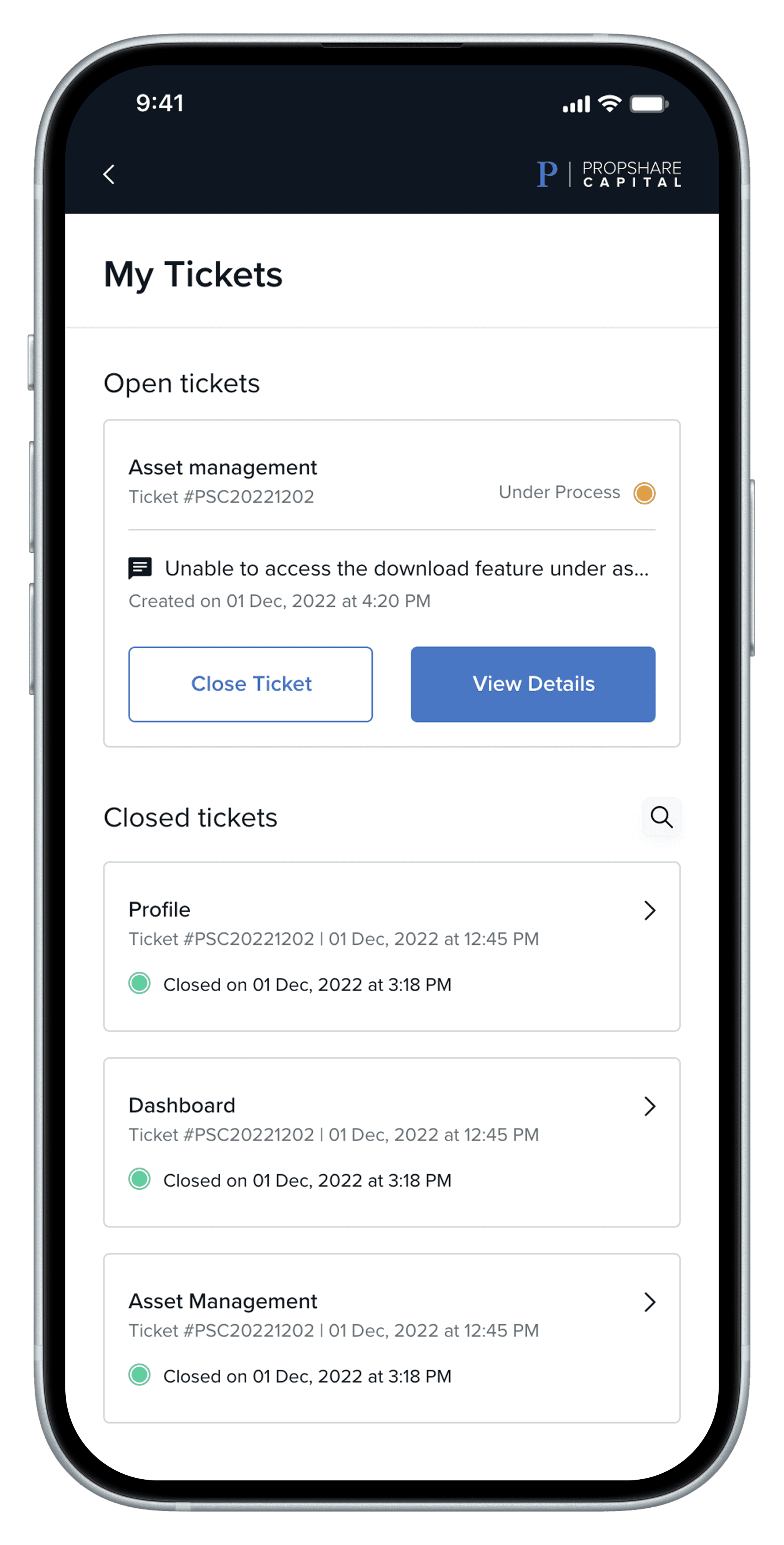
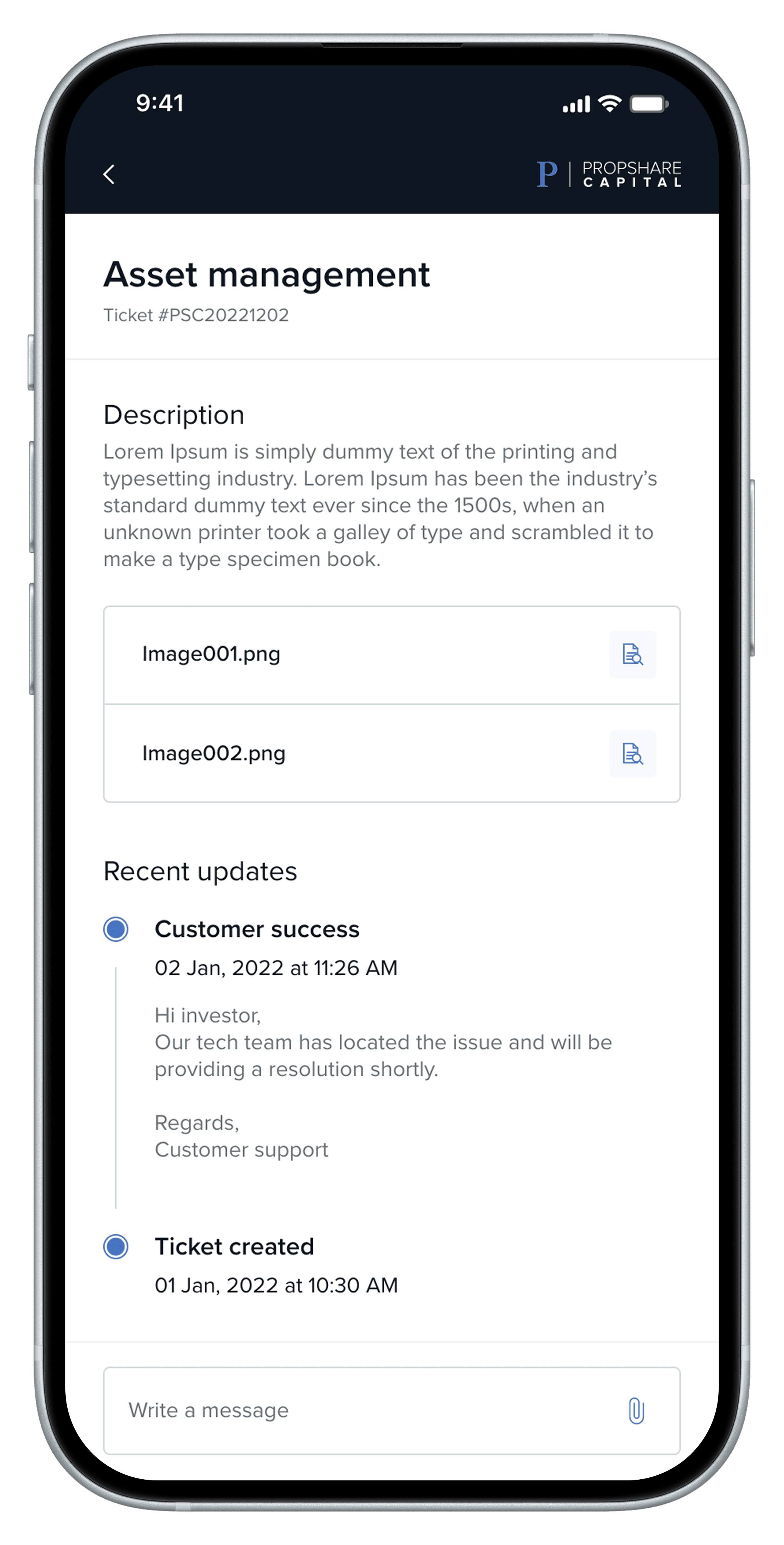
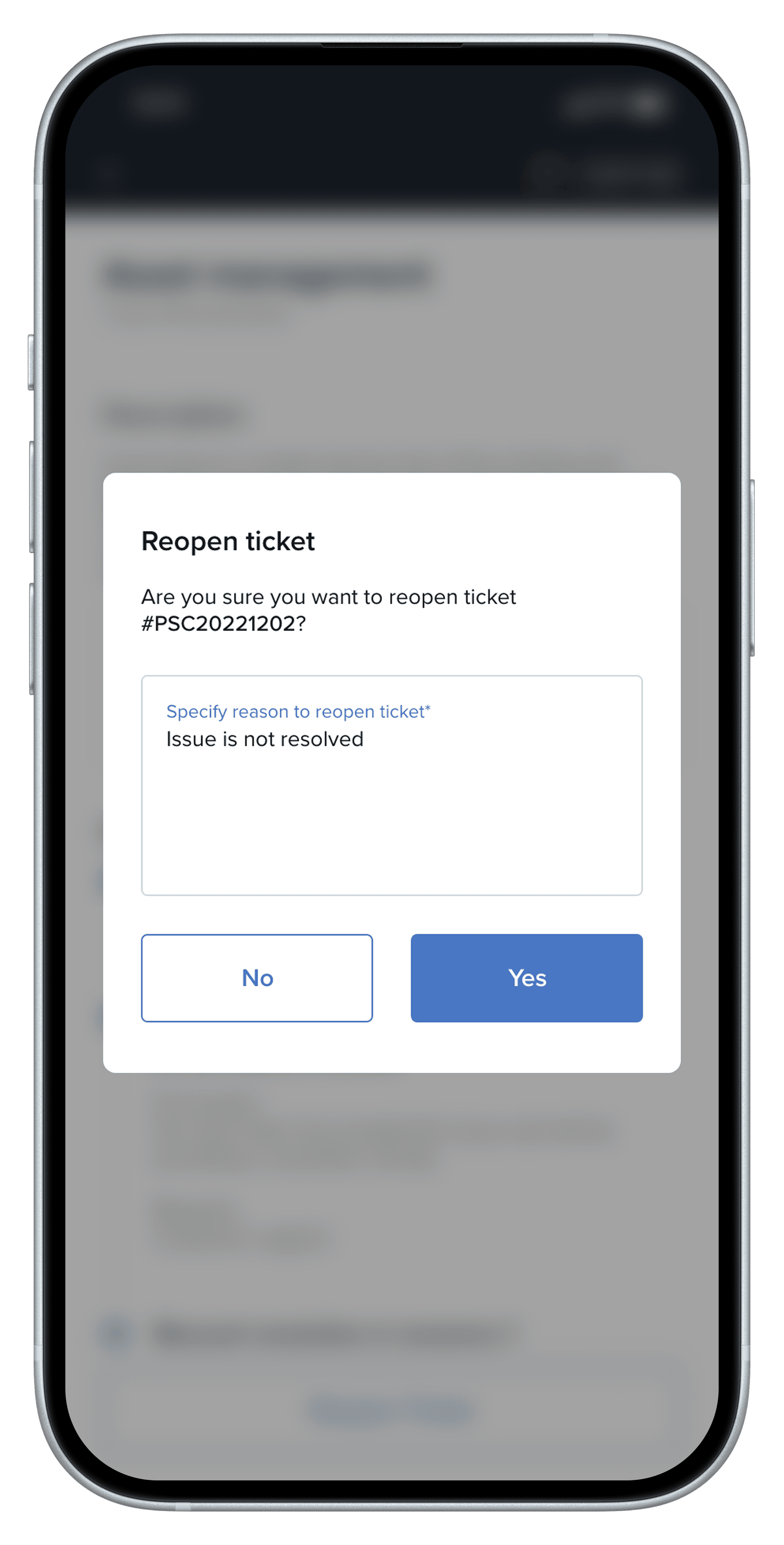
CUSTOMER FACING MOBILE APP SCREENS

© 2026 Samiksha Jain. All rights reserved


EMAIL

Click to copy

Copied!

LinkedIn

Click to copy

Copied!

© 2026 Samiksha Jain

EMAIL

Click to copy

Copied!

LinkedIn

Click to copy

Copied!

© 2026 Samiksha Jain

EMAIL

Click to copy

Copied!

LinkedIn

Click to copy

Copied!