PROPERTY SHARE • PRODUCT DESIGNER • 2021–2024

Conversational Support System

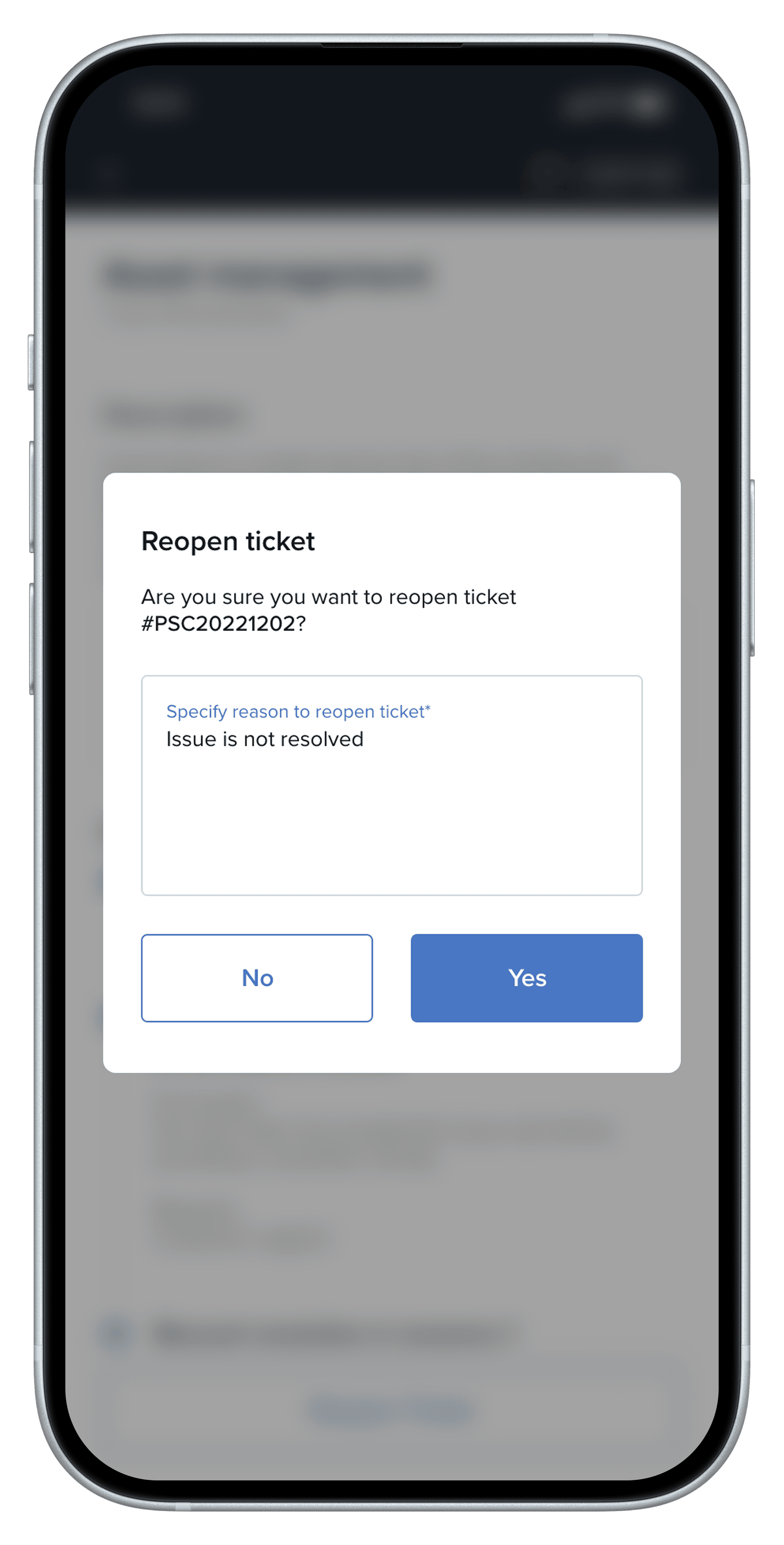
Intelligent ticketing support system designed to streamline organizational workflows.

Golden retriever dog sitting near solar panels and camper
ROLE & SCOPE

As a Product designer on this project, I led the end-to-end design strategy for the ticketing system and defined a workflow for the organization

KEY SKILLS

Service Design, User Experience & Design Strategy

CROSS-FUNCTIONAL

Founding product designer(me), Product Manager, and 1 Full-stack developer

PROJECT DYNAMIC

4 Months, Launched June 2024

Time Saved

-

0

%

inbound support volume over 2 quarters

Time Saved

-

0

%

inbound support volume over 2 quarters

Handoff Touchpoints

0

Reduced from 8 to 3 cross-team

Handoff Touchpoints

0

Reduced from 8 to 3 cross-team

Positive Adoption

0

tiers

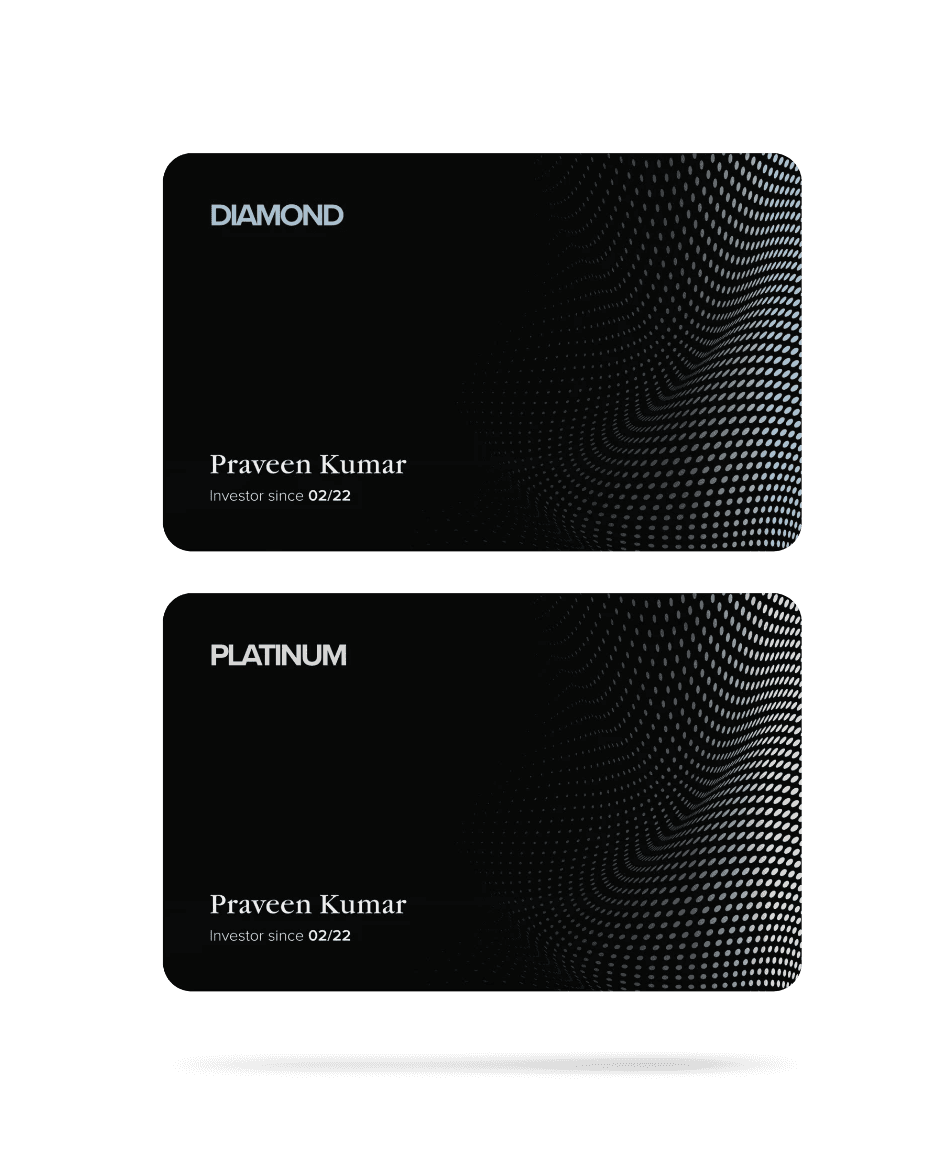
Tiers introduced: Gold, Silver & Platinum

Positive Adoption

0

tiers

Tiers introduced: Gold, Silver & Platinum

PROBLEM & CONSTRAINTS

Property Share ran customer support on email chains and phone calls.

Running customer support via email became an issue as Property Share scaled from 30 to 150 team members; we needed a more streamlined approach to handle client queries and ensure customer relationships are not compromised. Below are a few constraints that I faced.

Getting teams to commit to SLA

Support tickets were considered as additional task they need to perform apart from there day-to-day activities

The approval workflow felt uncomfortable

The idea that replies would go through a manager before reaching clients, the initial reaction was that it felt like distrust.

Continuity when someone was unavailable

Tickets would quietly stall when a relationship owner was out of office, take additional ownership was a push-back

DESIGN DECISIONS

01

Bringing internal and external communication into a single view

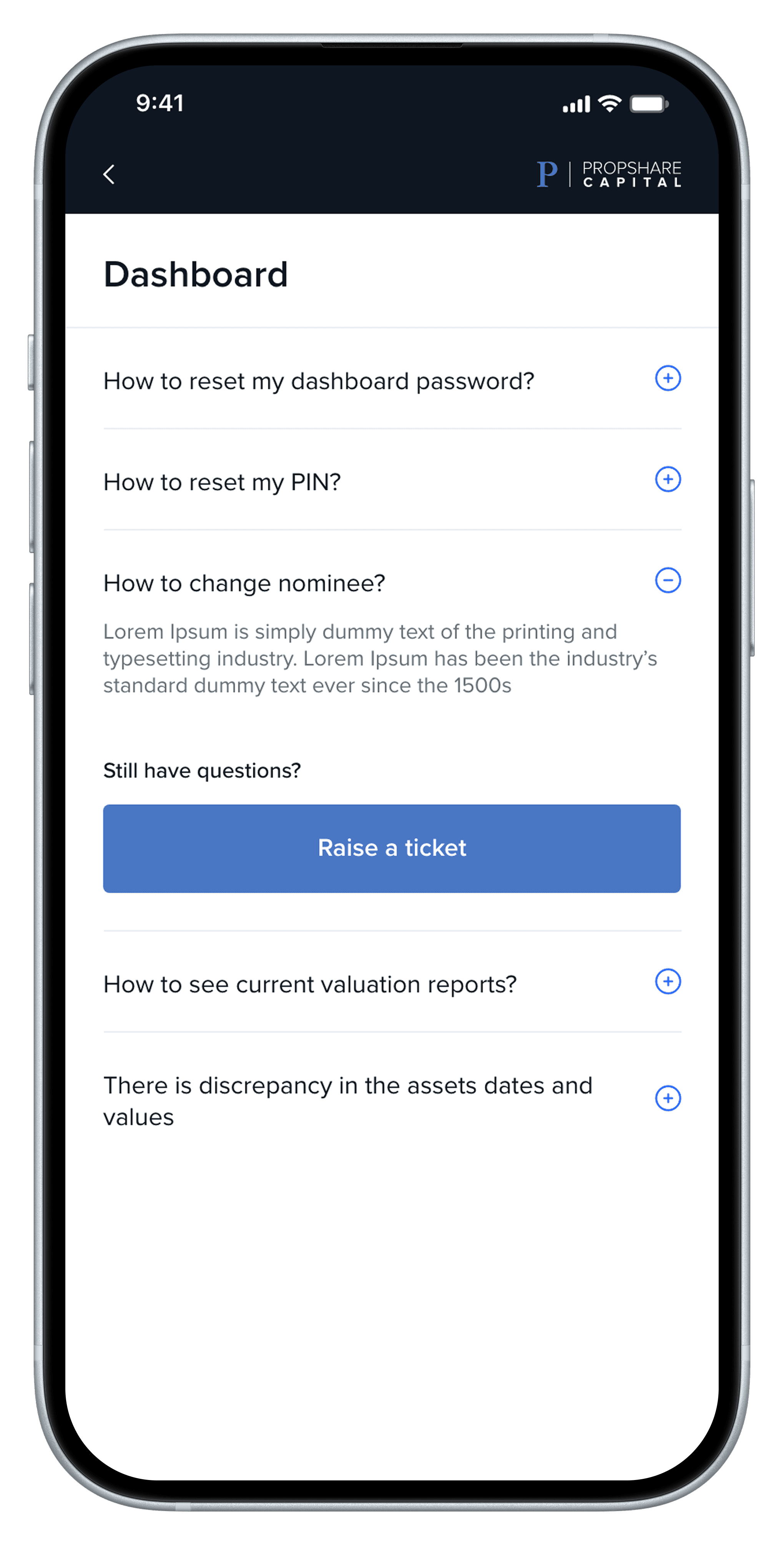
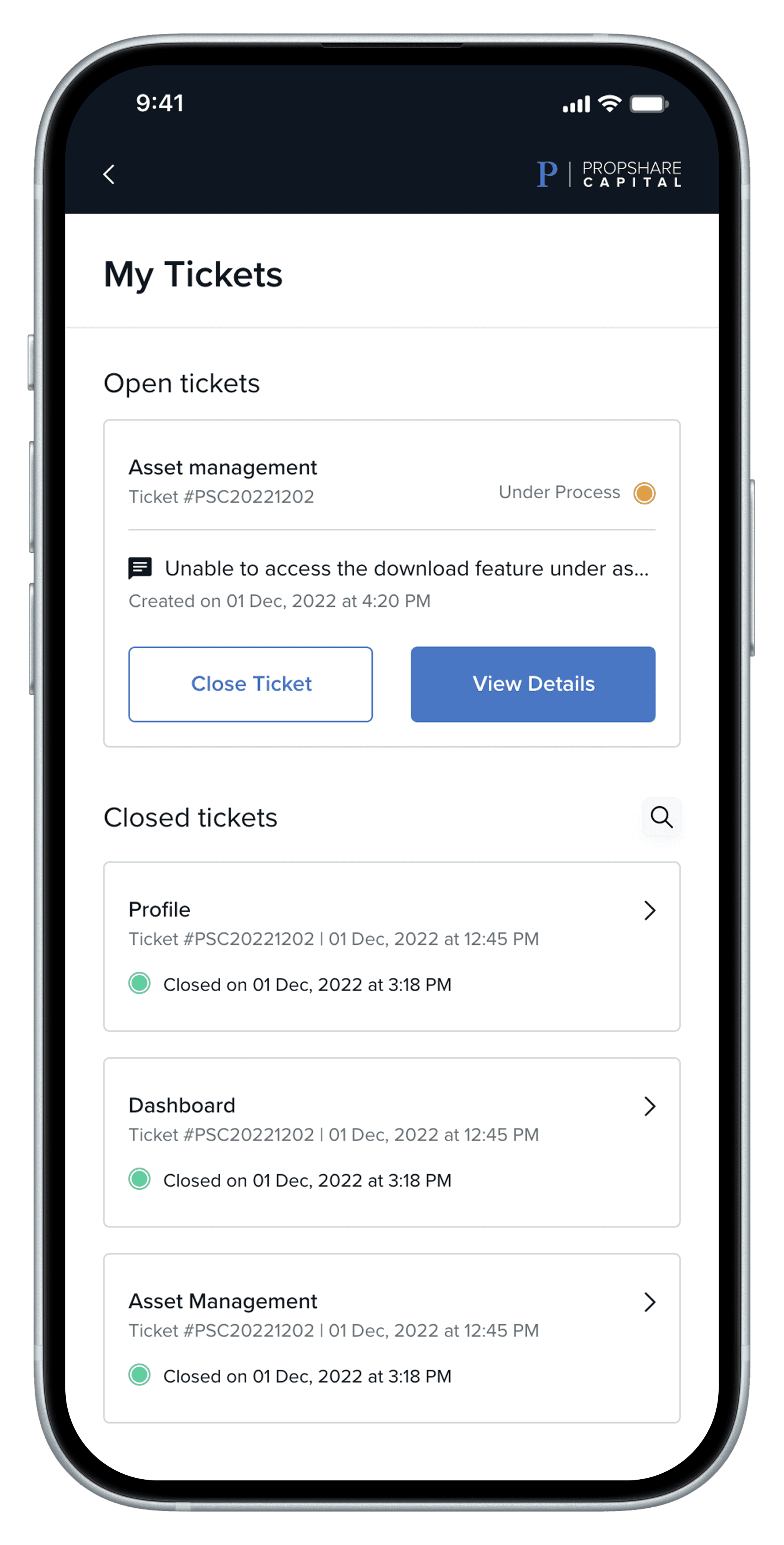
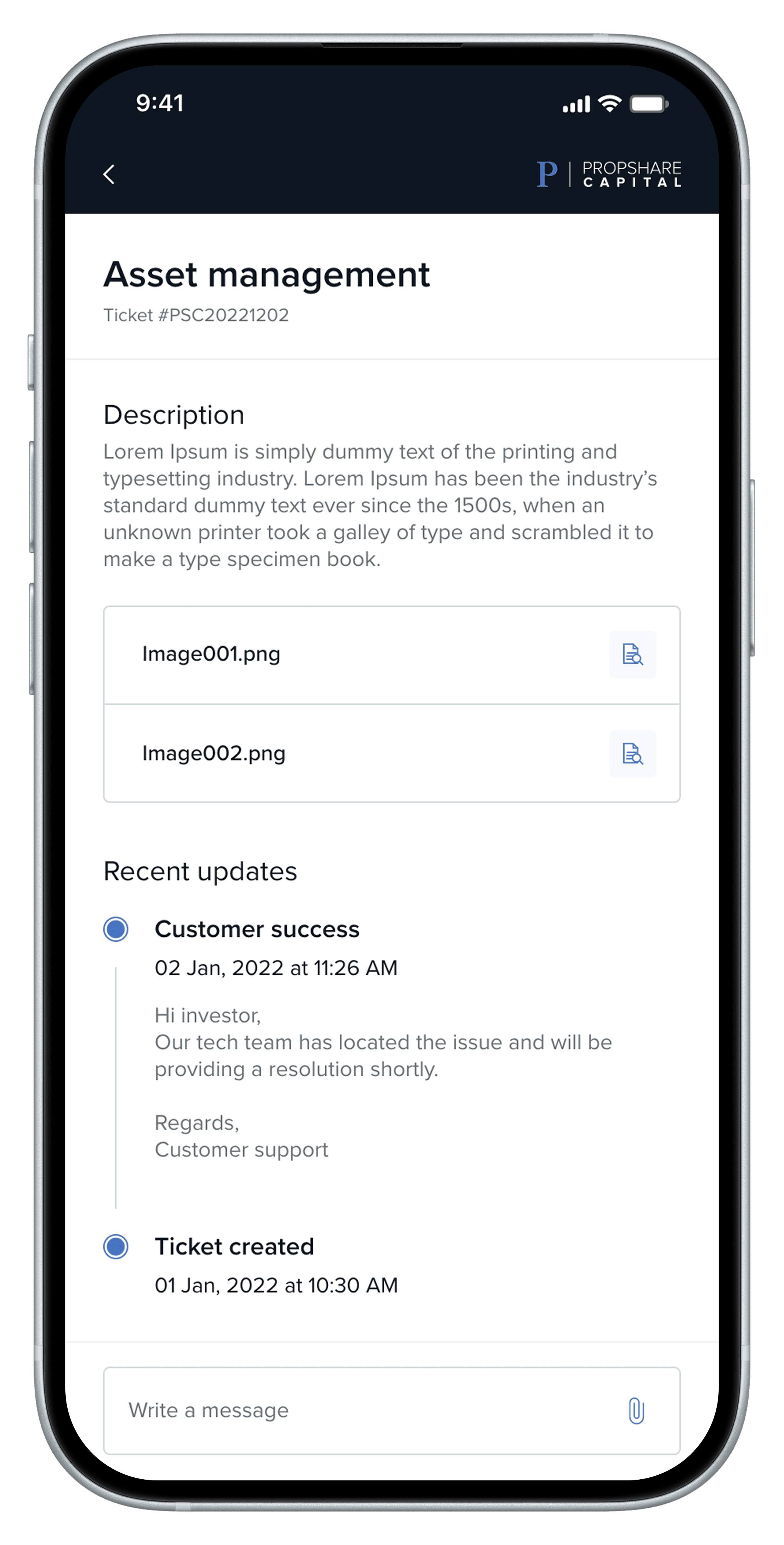
Agents constantly switched between Slack, emails, and spreadsheets to rebuild context, increasing cognitive load and slowing responses. Centralizing workflows reduced context switching and decision fatigue

01

Bringing internal and external communication into a single view

Agents constantly switched between Slack, emails, and spreadsheets to rebuild context, increasing cognitive load and slowing responses. Centralizing workflows reduced context switching and decision fatigue

01

Bringing internal and external communication into a single view

Agents constantly switched between Slack, emails, and spreadsheets to rebuild context, increasing cognitive load and slowing responses. Centralizing workflows reduced context switching and decision fatigue

02

Designing Approval for Quality, Not Oversight

The biggest insight came from the team’s resistance to the approval feature. Agents saw it as monitoring, not support. But a communication audit revealed inconsistent client interactions, shifting the feature from “oversight” to a tool for maintaining communication quality and brand consistency. As a product designer, facilitating that mindset shift was as critical as designing the feature itself.

02

Designing Approval for Quality, Not Oversight

The biggest insight came from the team’s resistance to the approval feature. Agents saw it as monitoring, not support. But a communication audit revealed inconsistent client interactions, shifting the feature from “oversight” to a tool for maintaining communication quality and brand consistency. As a product designer, facilitating that mindset shift was as critical as designing the feature itself.

02

Designing Approval for Quality, Not Oversight

The biggest insight came from the team’s resistance to the approval feature. Agents saw it as monitoring, not support. But a communication audit revealed inconsistent client interactions, shifting the feature from “oversight” to a tool for maintaining communication quality and brand consistency. As a product designer, facilitating that mindset shift was as critical as designing the feature itself.

03

Designing Continuity Over Dependency

The out-of-office issue had become an invisible workflow problem because teams had been informally working around it for years. Through a Jobs To Be Done lens, the insight became clear: the real job wasn’t assigning tickets to a person, but ensuring client issues continued moving regardless of availability. Shifting ownership from individuals to roles created continuity, reduced manual reassignment, and made the workflow more resilient.

03

Designing Continuity Over Dependency

The out-of-office issue had become an invisible workflow problem because teams had been informally working around it for years. Through a Jobs To Be Done lens, the insight became clear: the real job wasn’t assigning tickets to a person, but ensuring client issues continued moving regardless of availability. Shifting ownership from individuals to roles created continuity, reduced manual reassignment, and made the workflow more resilient.

03

Designing Continuity Over Dependency

The out-of-office issue had become an invisible workflow problem because teams had been informally working around it for years. Through a Jobs To Be Done lens, the insight became clear: the real job wasn’t assigning tickets to a person, but ensuring client issues continued moving regardless of availability. Shifting ownership from individuals to roles created continuity, reduced manual reassignment, and made the workflow more resilient.

04

Aligning Product Behavior with Service Promises

Gold, Platinum, and Silver existed as business labels, but they lacked operational meaning inside the product. Working closely with stakeholders, I translated each tier into defined service commitments, response times, escalation rules, and priority logic. Using an impact-effort matrix helped prioritize which rules to implement first. The result was a support system where the product experience aligned directly with the business’s promised level of service.

04

Aligning Product Behavior with Service Promises

Gold, Platinum, and Silver existed as business labels, but they lacked operational meaning inside the product. Working closely with stakeholders, I translated each tier into defined service commitments, response times, escalation rules, and priority logic. Using an impact-effort matrix helped prioritize which rules to implement first. The result was a support system where the product experience aligned directly with the business’s promised level of service.

04

Aligning Product Behavior with Service Promises

Gold, Platinum, and Silver existed as business labels, but they lacked operational meaning inside the product. Working closely with stakeholders, I translated each tier into defined service commitments, response times, escalation rules, and priority logic. Using an impact-effort matrix helped prioritize which rules to implement first. The result was a support system where the product experience aligned directly with the business’s promised level of service.

© 2026 Samiksha Jain. All rights reserved


EMAIL

Click to copy

Copied!

LinkedIn

Click to copy

Copied!

© 2026 Samiksha Jain

EMAIL

Click to copy

Copied!

LinkedIn

Click to copy

Copied!

© 2026 Samiksha Jain

EMAIL

Click to copy

Copied!

LinkedIn

Click to copy

Copied!